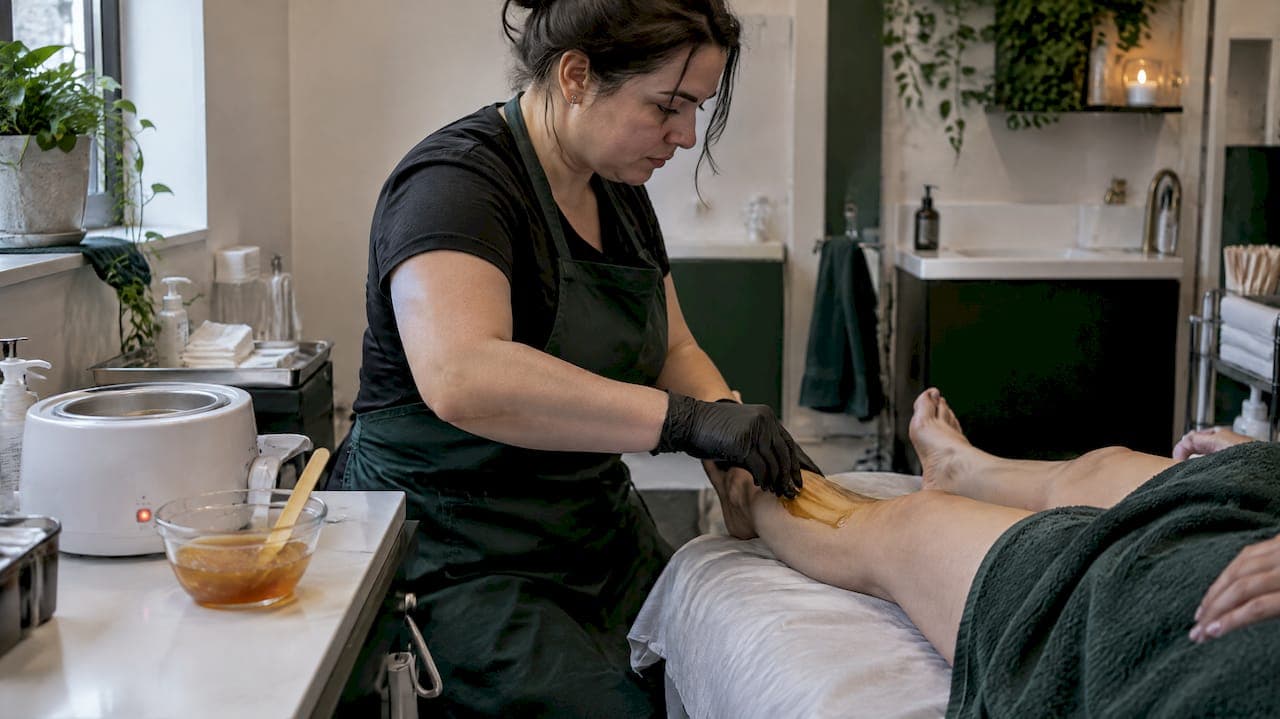
Waxing vs Sugaring: 5 Differences for Sensitive Skin and Salon Care

Sugaring is generally the gentler choice for sensitive skin. Its paste is made of sugar, lemon and water, and it’s applied at room temperature or lukewarm, then removed with the direction of hair growth, so there’s less tugging. Both methods pull hair from the root and leave you smooth for a similar stretch, so your decision comes down to comfort and sensitivity. That’s also why dermatologists at Cleveland Clinic and the American Academy of Dermatology keep returning to technique.
TL;DR:
- Waxing suits brow shaping and often grips very coarse hair; sugaring permits repeat passes, and salon prices vary by region, so check locally.
- Grow hair for two to three weeks, exfoliate one to two days before treatment, and stop retinoids two to five days before facial waxing.
- Both methods can cause folliculitis or ingrown hairs, so choose a hygienic, skilled technician and seek care for infection or a painful lump that persists.
- Avoid waxing or sugaring during infection, open skin, eczema flares, and isotretinoin treatment; wait six months after stopping isotretinoin to reduce tearing and scarring risk.
Table of Contents
- How do the ingredients and technique differ in waxing vs sugaring?
- Which one hurts less?
- What about redness, bumps and ingrown hairs?
- How long do results last, and where does each method work best?
- How should you prepare and care for your skin?
- When should you skip waxing or sugaring altogether?
- Why technique matters more than the product
- Ready for a professional, eco-conscious wax?
- FAQ
- Sources
How do the ingredients and technique differ in waxing vs sugaring?
The two methods feel different because they’re built differently. Here are the practical contrasts:
- Ingredients: Sugaring uses a water-soluble paste of sugar, lemon and water, so it rinses off easily. Wax formulas typically combine resins, beeswax and oils.
- Direction: Sugaring is applied against hair growth and removed with it. Waxing goes on with growth and comes off against it, which pulls harder on the skin and can break hairs.
- Temperature: Sugaring paste is room temperature or tepid, so burn risk is low. Waxes are warmed or hot, and a burn is possible if the wax is mishandled.
- Soft wax: It’s spread thin and lifted off with cloth or paper strips, and it can stick to the top layer of skin.
- Hard wax: It’s applied thicker, cools, and is pulled off on its own without a strip. It tends to grip hair more than skin, which is why many people choose it for tender areas.
Which one hurts less?
For most people, sugaring registers as the milder of the two. The paste doesn’t cling to live skin cells the way many waxes do, and removal follows the natural lay of the hair. The sensation is a gradual pull instead of a quick rip, which many people find easier to tolerate.
Your own experience will still vary. Hair thickness, pain tolerance, the area being treated and your technician’s skill all shape how a session feels. A few things help on the day:
- Breathe out slowly as the hair is lifted.
- Skip the extra coffee beforehand, since caffeine can leave you more jittery.
- Avoid booking during the days when your skin is most tender, such as right before your period.
- Tell your technician if you’re nervous so they can work in smaller sections.
Pro Tip: Ask your technician to show you the first pull on a small, forgiving area like the forearm. It tells you quickly how your skin reacts.
What about redness, bumps and ingrown hairs?

Neither method is risk-free. Both are mechanical epilation, and dermatologists note that folliculitis and ingrown hairs can follow either one, with hygiene and technique making the biggest difference. Wax tends to be the rougher option because it can stick to live skin cells and snap hairs below the surface, which sets the stage for ingrowns.
Follow these steps to lower your odds:
- Exfoliate gently one to two days before your appointment, never right before it.
- Let hair grow long enough to grip, about two to three weeks, so your technician doesn’t need repeat passes.
- Moisturize with a light, fragrance-free product once the skin has calmed.
- Wear loose clothing for a day or so to cut friction.
- Give hairs time between sessions, because an ingrown hair cyst can form after waxing, shaving or tweezing.
Most bumps fade on their own. See a clinician if you notice signs of infection, a painful lump that won’t settle, or a cyst that keeps returning.
How long do results last, and where does each method work best?
How long results last varies from person to person, and your personal hair cycle can affect how long results last. Some people find waxing holds a little longer, and others see no difference.
The body area tips the balance more than the calendar:
- Sensitive and intimate areas: Sugaring is often the first recommendation because it’s gentler on delicate skin.
- Brows and fine detail: Waxing offers precision that suits shaping.
- Very coarse hair: Many people find wax grips stubborn hairs well.
- Repeat passes: Sugaring paste can be reapplied to the same spot more than wax can.
- Time and cost: Wax appointments can run slightly longer because of strip changes, and prices vary widely by salon and region, so check current pricing before you book.
How should you prepare and care for your skin?
A little planning makes either method kinder to your skin. Use this checklist around your appointment:
- Grow hair out about two to three weeks beforehand.
- Stop topical retinoids two to five days before treatment, especially for facial work.
- Exfoliate gently one to two days ahead, and skip the scrub the day of.
- Avoid sunburned or very sensitive skin, since the American Academy of Dermatology advises against waxing it.
- Afterward, use a soothing lotion and follow your technician’s aftercare advice about hot baths, saunas and intense workouts.
- Ask for a patch test if you’ve never had the service, and postpone if you have an active skin problem or a recent cosmetic procedure.
Pro Tip: Plan your appointment a few days before a big event, not the morning of, so any redness has time to settle.
When should you skip waxing or sugaring altogether?
Some situations call for a different approach. Dermatologists advise against mechanical hair removal when the skin is compromised:
- Active infections, open lesions or an eczema flare.
- Hidradenitis suppurativa, where mechanical trauma can worsen the condition and laser removal is often the suggested alternative.
- Oral isotretinoin, which means no waxing or sugaring while you take it and for six months afterward because of the risk of skin tearing and scarring.
If redness lingers, pain is severe or you see signs of infection after a session, see a board-certified dermatologist.
Why technique matters more than the product
Here’s my take: the product gets the attention, but the hands do the work. A skilled technician who holds the skin taut, works in small sections and pulls at the right angle will cause less trauma with either method than a rushed one. That’s why I’d rather you pick a trained professional than chase a trend. Clean protocols, careful hygiene and gentle, thoughtfully chosen products matter just as much, especially if your skin reacts easily. If you have sensitive skin or a medical concern, book a consult first so the technician can recommend the right option for you.
— David
Ready for a professional, eco-conscious wax?
At Head Case Hair Studio, we offer facial waxing and full-body waxing, along with facials and spa care for the days after. Our studios use vegan, cruelty-free products, and our trained technicians keep protocols clean and gentle.
- Trained technicians who talk through your skin concerns first.
- Clean, careful protocols from start to finish.
- Eco-friendly product choices that support comfort.

Browse our full services and book a consultation or appointment at the studio nearest you.
FAQ
Is sugar wax safe for pubic hair?
Sugaring is often recommended for intimate areas because the paste is applied at room or lukewarm temperature and doesn’t cling to live skin as aggressively as many waxes. It still isn’t risk-free, so choose a trained technician and skip it if you have eczema, an infection or open skin.
What are the downsides of sugaring?
Sugaring can still cause redness, folliculitis and ingrown hairs, since it’s a mechanical method like waxing. It also takes skill to apply well, and it isn’t suitable for people with certain conditions or on isotretinoin.
What are the benefits of sugaring?
Sugaring uses a simple, water-soluble paste and removes hair with its growth, which can mean less skin pulling and less hair breakage. Many people find it gentler, and the paste can be reapplied to the same spot.
Is hard wax sugar wax?
No. Hard wax is made from resins and often beeswax or oils, and it’s warmed before use. Sugar wax, or sugaring paste, is a sugar, lemon and water mixture applied at room temperature or lukewarm.
Sources
- Sugaring vs. Waxing: 12 Things to Know About Benefits, Results, More
- Brazilian Wax: What It Is, Prep and Aftercare
- Isotretinoin: FAQs